Hybrid Learning in the Workplace: The Great Debate
Looking at Challenges of Hybrid Facilitation


Jump to sectionThe Future of Learning: A Broken Model?The Hybrid Learning DebateThe Challenges of Hybrid FacilitationMaking Hybrid Learning WorkLearning with Growth Faculty
People
Execution
Remember when workplace learning meant in-person, long-form workshops in special training rooms—complete with catering and whiteboards?
Now, it's more likely team members are rarely (or aren't ever) in the same room.
It's opened up an exciting new world of learning, but one of the challenges is the effectiveness and limitations of hybrid facilitation—where some individuals are in the room while others join remotely.
Today’s learning ecosystem is synchronous and asynchronous, bite-sized and long-form, credentialed and informal and upskilling often happens in the flow of work by accessing self-directed learning, online webinars, virtual conferences, podcasts, or something similar.
Below we discuss how important it is that everyone feels included when engaging in this type of learning.

The Future of Learning: A Broken Model?
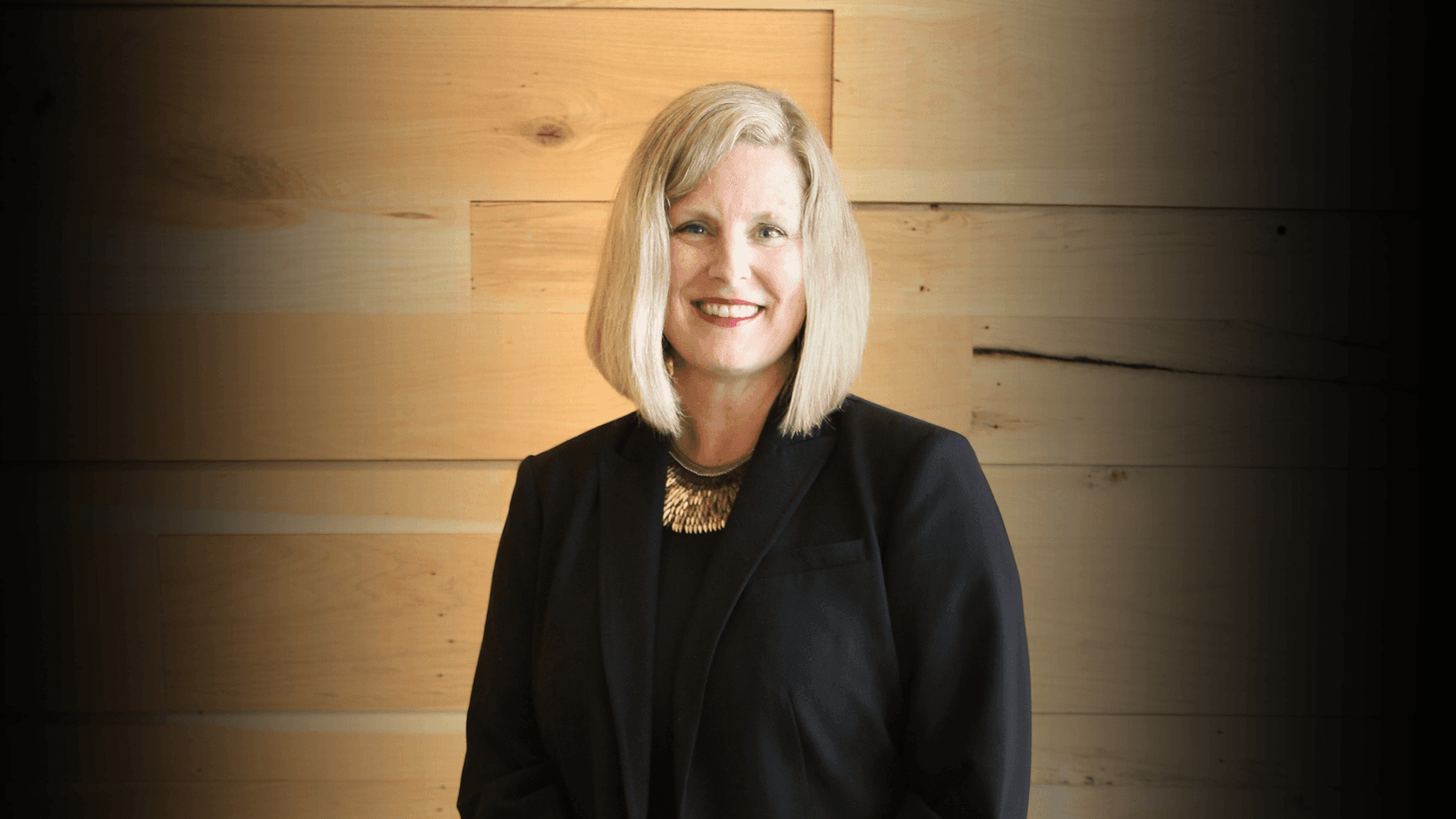
Growth Faculty’s Head of Learning Barbara Harvey (above, at left) recently delivered a webinar titled Unlearning the Status Quo: Disrupting Corporate Learning.
Barbara put forward the hypothesis that “The model is broken.” With so many different delivery formats and content styles available, it can be difficult to determine which approach is best suited to which purpose.
Barbara says she's a strong advocate for time-bound, synchronous social learning, believing it is “the most powerful form of learning.”
However, she also recognises this "learning as a team sport" is just one mode of delivery and must be supplemented with other forms of learning (as it's not always practical).
The Hybrid Learning Debate
When asked about hybrid delivery, Barbara is cautiously positive: “If done well and with good intention, it can be a satisfactory form of learning.”
However, she warned that facilitators must be particularly mindful of remote participants, as it’s easy to default to those physically present.
Most of us have experienced the frustration of not being in the room when a joke escapes the microphone or a side conversation takes place, leaving remote attendees confused and excluded.
To mitigate this, Barbara suggests that if remote participants are involved, the best experience is either all remote, or ensuring that each participant has one device per person, even if they are in the same room.
The Challenges of Hybrid Facilitation
Mita Mallick, author of "Reimagine Inclusion," has also spoken about the challenges of hybrid meetings.
In a live virtual session on inclusion for Growth Faculty, she shared a personal experience:
“I've been in meetings where I'm in the live room, [and] the question, the back and forth, the debate is getting intense, and then the people on Zoom are like, what’s going on?”
She says the onus is on leaders and facilitators to create an inclusive environment and be mindful of meeting dynamics -especially whose voices aren’t being heard. She challenges leaders to rethink their approach:
“When you're in a meeting and there are people that are not physically in the room and there's a pause for questions, are you taking those questions first remotely, or are you focused on who's in the live room?”
Discussions after the learning session
The key to ensuring lessons stay "sticky" is this post-session reflection.
Software company Aurion is a Growth Faculty client which invests in learning (and promotes social learning) by ensuring a group discussion after each live virtual session.
"We have time after those events together to reflect and talk about how that applies in our business,” says Director of People and Culture at Aurion, Cara Haslop.
“We talk about how we can potentially implement some of those ideas and changes, and how it would benefit us, and that's where it's worked really well for us."
Making Hybrid Learning Work
Barbara Harvey says that, while hybrid learning can be a useful tool, it requires intentional design and facilitation to ensure engagement and inclusion.
The key considerations include:
- Prioritising remote voices: Ensuring that remote attendees are actively included in discussions
- Using technology effectively: Leveraging tools that create a seamless experience for all participants
- One device per person: Even in the same room, individual devices should be considered to help maintain equity
- Clarity in communication: Repeating in-room discussions and side conversations for remote attendees
The reality is, hybrid learning is here to stay. But whether it enhances or hinders learning depends entirely on how it is facilitated. The challenge for leaders is to ensure that no one is left on the sidelines—physically or virtually.
Learning with Growth Faculty
When we approach professional development as a collaborative activity rather than a solo pursuit, we don't just build knowledge—we build stronger teams.
Our live learning sessions are designed with these principles at heart. They're not just about delivering information; they're about creating spaces where teams can discover together, challenge each other, and build the shared understanding that drives real innovation.
Download our 2025 program
Want to keep up with the latest ideas and thinking from the brightest minds in the world?
Download our blockbuster 2025 Program! Growth Faculty’s live virtual learning sessions feature some of the world's most influential thought leaders in business and leadership, many of them focusing on AI, change leadership, and adaptable leadership.
Events are added regularly, so keep up to date by signing up for our newsletter and see what’s on offer for Growth Faculty members.
Growth Faculty also offers a great value Enterprise plan for larger companies to develop leadership skills in teams of 20 or more employees.
Photo by Jason Goodman on Unsplash
Upcoming Learning
Who's Up Next?We're continually sourcing the world's greatest minds for your business success, so subscribe today for event updates, business ideas, leadership tips and tools for growth.
Related Articles