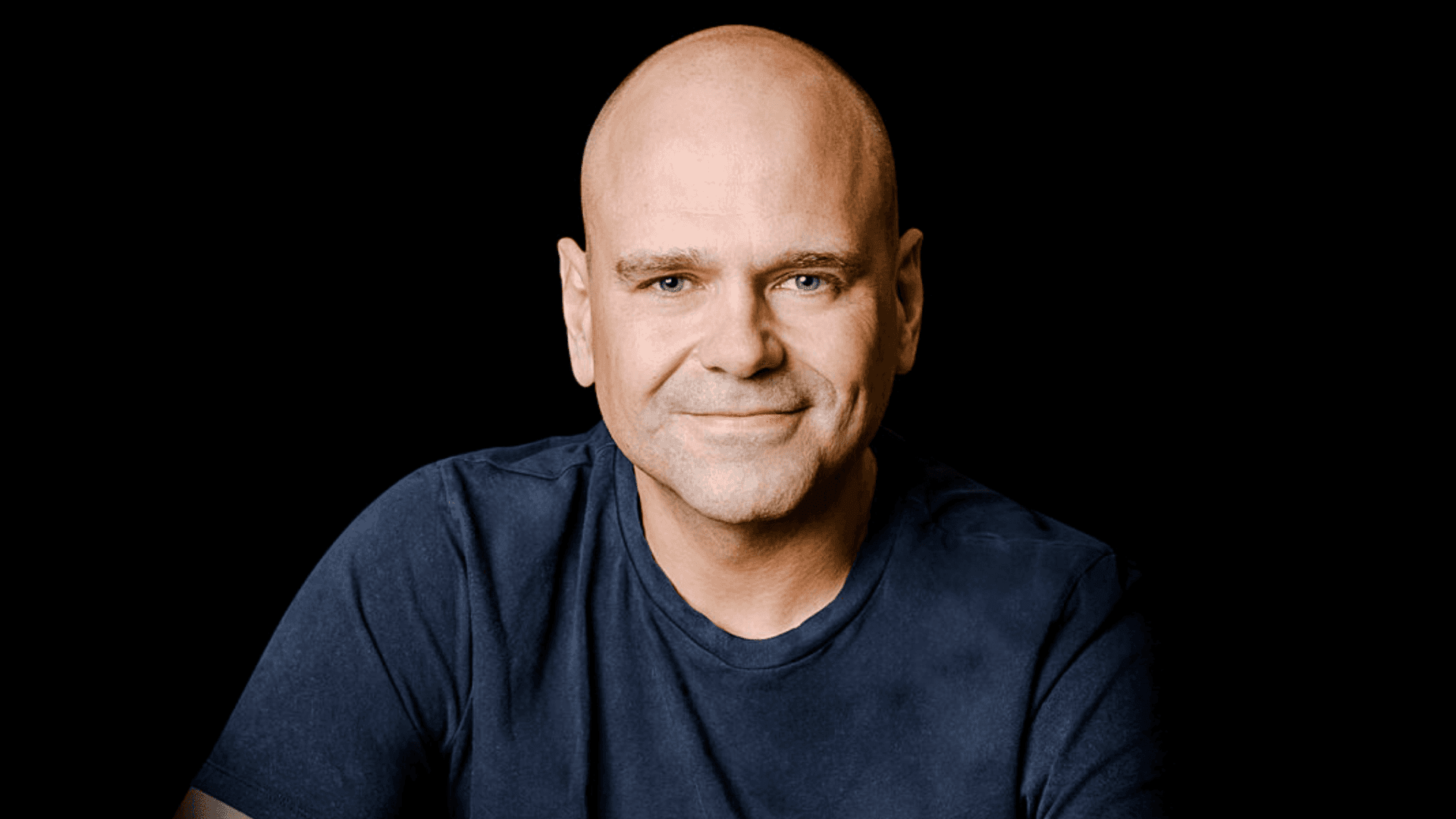
Adam Grant's Ideas for Managing Conflict in the Workplace
How less conflict and the need to be liked can backfire on leaders


People
Conflict is inevitable in every workplace.
We'll disagree on major decisions like flexibility and hybrid work, and minor ones like the pros and cons of leaving leftovers in the staff fridge. We can argue over who deserved a recent promotion or who was responsible for the outcome of a project. And we can get prickly over those who get away with the very same behaviours that others are punished for.
Research shows conflict significantly impacts team cohesion and performance. One study found that of the 10 million people who experienced conflict at work, just under 900,000 took time off work , nearly 500,000 resigned , and more than 300,000 employees were dismissed. (1)
However, Adam Grant says in his WorkLife podcast The Science of Productive Conflict , the key is not to have less conflict, but to manage it more effectively. The goal is to have the right kind of constructive conflict.
So, lets look at some of the key ideas in his podcast on conflict.
The discomfort of conflict
Adam Grant says that confronting conflict makes most people uncomfortable. He says that for years he avoided telling people difficult truths to avoid hurting feelings or damaging relationships.
I wanted to be liked, he admits.
According to accountability expert and leadership coach Mark Green, the nearly universal desire to be liked generally serves us well as members of groups, teams, and society. But if youre a supervisor, manager, or leader, a strong need to be liked diminishes your efficacy.
It can even backfire completely and cause your team to like you less, he says. That's because a desire to be liked effects your ability to do well on things like:
- Delivering bad news effectively
- Making and acting on hard, right decisions
- Giving effective, constructive feedback
- Ending non-fit customer relationships
It becomes so problematic that the absence of conflict is listed as one of Patrick Lencionis 5 dysfunctions of a team.
20 years ago Adam Grant said he went through conflict mediation training and learned invaluable skills and tools for handling conflict constructively.
One was the concept of the ladder of inference which, he says, is essential for unraveling messy conflicts and getting to the heart of issues.
Untangling messy conflicts
In any conflict we need to understand what we're actually arguing about, says Adam, because it is often not what we initially think.
The core idea is that many conflicts arise from wrong assumptions about others' motivations.
Taking their perspective is not enough we need to elicit their actual perspective, he says.
Consider a conflict you've had and imagine yours and their views on a ladder, from observations to assumptions to conclusions.
Walk down your ladder and share your observations and assumptions. Invite them to do the same. This can reveal the true nature of the conflict.
A Ladder Of Inference example
To illustrate Adam Grants point, lets imagine an example of a conflict at work:
Observation : My coworker, Mei, has been coming in late and leaving early all week.
Assumption : Mei must not care about her job or meeting deadlines if she keeps showing up late and ducking out early. She's probably spending her time running personal errands instead of working.
Conclusion : Mei is an irresponsible and lazy employee who takes advantage of our flexible schedule. I can't rely on her as part of my team if she doesn't take her work seriously.
The team leaders conclusion in this example is that Mei is irresponsible and lazy, which then angers and frustrates them.
Walking down the ladder of inference would involve checking my assumptions with Mei directly, perhaps by asking questions like:
I noticed you've adjusted your schedule this week. Is everything okay?
I want to make sure we're on track with our project. Do you need any support with your tasks?
Can you help me understand what's going on so I can support you better?
The goal is to walk back from conclusions to facts before making judgments. This prevents conflicts based on inaccurate assumptions.
Different types of conflict
Clarifying the conflict type helps solve it. Let's examine task versus relationship conflict.
Task conflict is disagreeing on problems, solutions, or decisions, which can be productive.
Relationship conflict is fighting over personality or values differences, which is usually destructive.
Adam Grant says that in healthy teams, task conflicts happen without relationship conflicts. But they often blur together, and a task conflict morphs into a relationship one.
- Status conflict over whos in charge is another unproductive form well discuss in a moment.
Adam suggests that when youre embroiled in conflict, take a step back to identify the type then solve it accordingly.
The ladder down to understanding
Describing personality differences is a way you can walk down the ladder of inference, revealing assumptions and observations rather than conclusions about others motivations.
As Michael Bungay Stanier said in our masterclass about his book How to Work With (Almost) Anyone , the way we each view the world can be revealed in a "keystone conversation."
In a keystone conversation you are trying to discover things about the other person, like What does a good client look like to you? What does a great vendor look like to you? He says it's about curiosity. (Note: You can catch Michael Bungay Stanier's live virtual masterclass: The 5 Question Leader in March here at Growth Faculty).
Adam Grant says that seeing your own ladder of inference provides self-insight ; seeing theirs, other-insight. This understanding is the path to resolving conflicts.
Resolving status conflicts
UCLA expert Corinne Benderski told Adam Grant on his podcast that clarifying roles is key for defusing status conflicts over decision authority.
She says that its important to show respect for the person, their skills, and contributions.
Make it clear you value them, says Corinne.
Mark Green, himself a fan of role clarity, also likes an outward show of noticing the value in others. In his accountability masterclass he lists 3 building blocks of accountability:
Expectation I believe in you.
Context Why this matters (to me and/or to our organisation).
Attention Hey, Im watching you. Noticing and noting; keeping someone accountable but not micromanaging.
If there is an issue that needs to be dealt with, its best to be clear and direct, but show you care too.
As Jonny Camara explained in our Radical Candor masterclass, its important to:
Care personally ensure you promote real, human relationships at work
Challenge directly be willing to piss people off.
Encouraging constructive team conflict
As Adam says, leaders often want solutions, not problems, brought to them. But complex issues require multiple perspectives to solve.
Better to first identify the conflict type before solving it. This prevents relationship conflicts and ensures different viewpoints are respected the essence of constructive disagreement.
You dont have to agree to disagree. You just have to agree to disagree respectfully. Adam Grant
See Adam Grant in person in 2024
Dont miss Adam Grants highly-anticipated Australian tour in 2024 ADAM GRANT LIVE: Unlock Hidden Potential & Transform WorkLife. Tickets are selling fast (Some categories SOLD OUT).
About Adam Grant
Adam Grant is a renowned organisational psychologist, bestselling author, and global influencer. As Wharton's top-rated professor for seven consecutive years, his expertise in motivation, generosity, original thinking, and rethinking has made him a leading authority in his field.
His five New York Times bestselling books Think Again, Give and Take, Originals, Option B , and Power Moves have resonated with millions of readers in 45 languages. His latest book is Hidden Potential.
With hugely successful TED talks and his TED podcasts WorkLife and ReThinking, plus a substantial social media following and popular monthly newsletter, Adam Grant is one of the world's most inspiring thinkers and speakers.
Invest in Your Learning With Membership to Growth Faculty
Want to keep up with the latest ideas and thinking from the brightest minds in the world?
Discover your potential by learning from the best with Growth Faculty annual membership.
Unlimited access to dozens of live virtual masterclasses on trending topics around work, career, leadership, and culture; such as psychological safety, burnout, difficult conversations, strategy and execution, micromanaging, accountability and more, with opportunities to chat, ask questions of the speaker, and interact with your peers.
Unlimited access to our multi-module leadership programs at both emerging and senior leader level.
Discounts on tickets to be in audiences at our Global Headliner in-person events featuring top name speakers.
Year-round leadership content on demand with replays of our live events, highlight reels, interviews with top business authors, and more.
Join a community of knowledge seekers who are inspired by the best. See our latest program of live virtual and in-person events.
Reference:
1. Workplace Conflict Statistics 2023: Costs & Outcomes, Gitnux Market Data
Photo by TienDat Nguyen on Unsplash
Upcoming Learning
Who's Up Next?We're continually sourcing the world's greatest minds for your business success, so subscribe today for event updates, business ideas, leadership tips and tools for growth.
Related Articles