3 features of high performing teams to make your best team ever
How the culture of high performing teams differs from the rest


Leadership
People
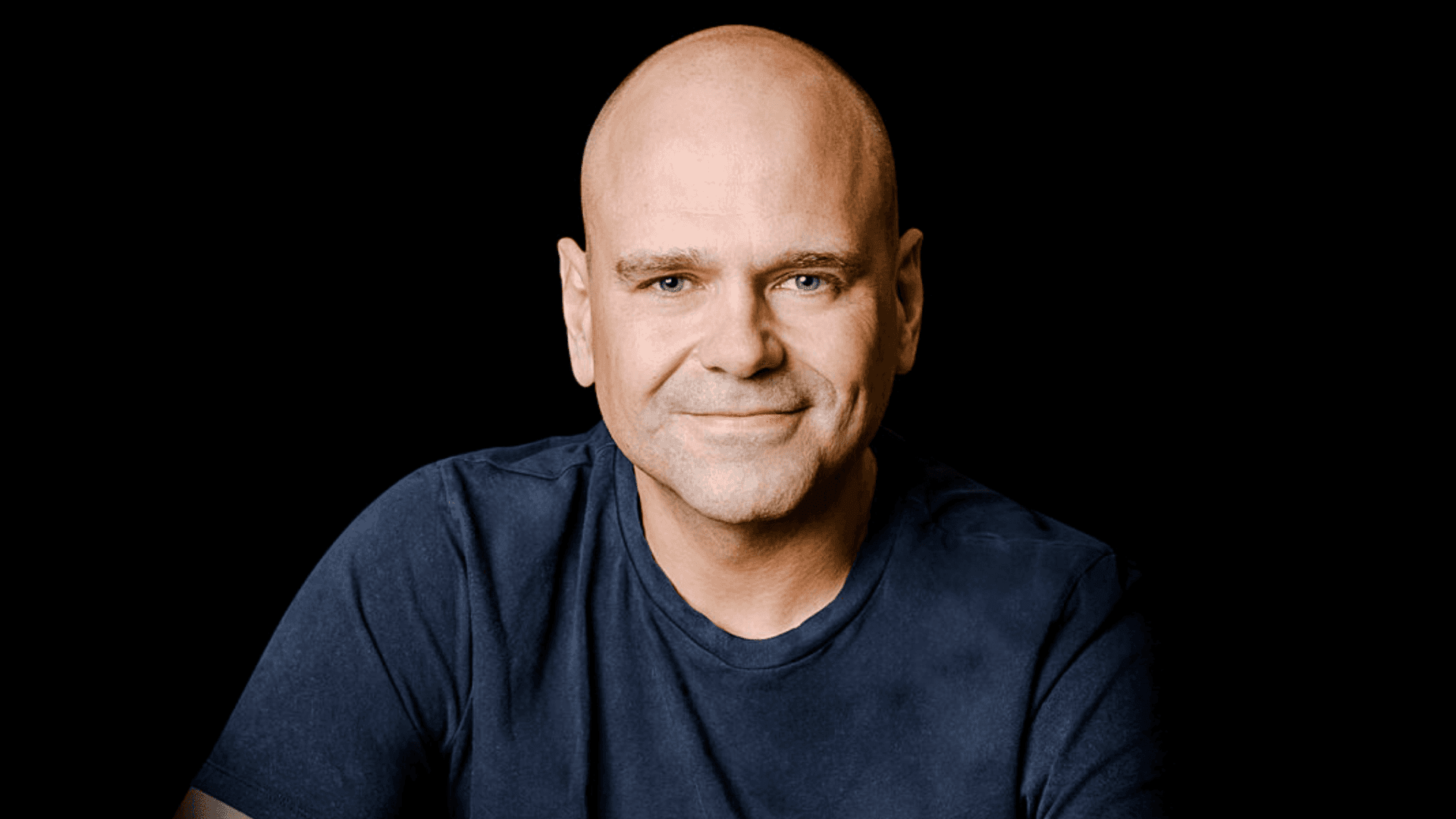
Dr David Burkus has studied the best teams, and the stories behind the making of those high-performing teams.
One of his favourites is the first day of work for once-CEO of Ford Alan Mulally. Mulally was asked by a reporter what car he drove. “A [Toyota] Lexus. It’s the finest car in the world.” Remember, he had just started as head of its competitor Ford.
But, in one short sentence Mulally put his stamp on his company’s new culture – a commitment to honesty.
David Burkus, author of Best Team Ever , said in our interview that Mulally also rewarded his staff for being honest, brutally honest, about mistakes and setbacks. When teams realised it was safe to own up to failures , a culture of psychological safety developed. And, when he retired, Mulally had built the most trusted and high performing teams Ford had ever seen.
Free Download: 10 Leadership Qualities That Will Help Solve Challenges in 2023
Psychological safety, along with Common Understanding and Prosocial Purpose , are the 3 key factors that make the best team ever, says Dr Burkus. Here’s a summary of each.
Common Understanding
Teams work best when they understand how each individual works best.
High-performing teams with common understanding are able to anticipate each others’ actions and respond quickly. Once teams developed norms of behaviour and understood what each member could offer, coordinating and executing the task became easy - no matter what the task.
Without common understanding, team members doubt each other’s competence and ability to deliver on shared goals.
Developing common understanding involves:
-
Clarity: Making sure team members have role clarity and dependability. Dr Burkus says the more clarity is created, the better the team performs.
-
Empathy; understanding the emotions and desires of their teammates.
Actions to Improve Clarity
-
Hold huddles. Borrowing from Agile scrums, each team member answers: What did I just complete? What am I focused on next? What is blocking my progress?
-
Communicate in bursts. Allow time for deep thinking – try setting ‘heads up’ and ‘heads down’ times on the calendar. Or declare a ‘no meeting day’ on the calendar.
-
Make priorities clear. An Inc. study found only 2% could accurately name their leaders’ priorities. Use ‘If x, then y” scenario planning for when changes arise.
Actions to Improve Empathy
-
Write teammate manuals : ‘I am at my best when………..’ ‘I am at my worst when……..’
-
Find free time. When the team has nothing to do they usually chat about themselves and their lives.
-
Try icebreakers. They can feel awkward but that is small-scale vulnerability that can build empathy and trust. Icebreaker idea: ‘Share a hero, a highlight and a hardship.’
Psychological Safety
How do you create a climate of psychological safety on a team? Dr Burkus says the answer is found inside Professor Amy Edmonson’s description ‘Psychological safety is a climate characterised by interpersonal trust and mutual respect.’ Trust and Respect.
Dr Burkus says trust is how much we feel we can share our authentic selves with others. Respect is how much we feel they accept that self.
-
If I trust you, then I will share honestly with you.
-
If you respect me, then you will value what I’ve shared.
Ways to increase trust:
-
The leader going first. They should signal that vulnerability and fallibility are not signs of weakness. “By continuing to appear immaculate doesn’t inspire the team to trust them. Instead it inspires them to pretend to be perfect themselves – and diminishes their trust over time,” says Dr Burkus.
-
Hold after-action reviews. When a team finishes a project, ask questions: What was our intended result? What was the actual result? Why were they different? What will we do the same next time? What will we do differently next time?
-
Share privileged information with the team. Teams like to feel trusted.
Ways to Increase Respect
Dr Burkus says employees who got respect from their leaders reported 89% higher satisfaction with work and 56% better wellbeing and overall health.
So, try these ideas from David to increase respect in your team:
-
Recognise and share credit. As leadership thinker Warren Bennis once noted, ‘Good leaders shine under the spotlight but great leaders help other shine.’
-
Treat conflict as collaboration. Try ‘Tell Me More’ before you push back on the idea.
-
Call for candour. You may need to put out an open call for disagreement. ‘Is there something we’re missing? Because I feel like I’m not seeing something…’
Prosocial purpose
Not too long ago accounting firm KPMG wanted to improve morale. So they tried with perks, more flexible work, and more opportunities to advance. But, it wasn’t until they began the ‘What do you do at KPMG?’ and ‘10,000 Stories Challenge’ campaigns that morale really picked up.
Employees were asked to share how they made an impact in specific ways. Within six months they had 42,000 stories from employees on how their accounting work had purpose in the community.
Organisational psychologist Adam Grant did something similar in a study of university donation call centre workers. Their results went through the roof after they were visited by a fellow student who had received scholarship funds raised by the call centre, and he told them how the funds had impacted his life.
Prosocial purpose is about discovering and emphasising the meaning and impact of your work.
Meaning
Reminding team members about the meaning of their work is a way to vastly improve motivation. One of the most important forms of meaning is task significance. Task significance is knowing how your work enables others to work; how it contributes to the ability of others to work.
Increasing meaning
-
Make metrics meaningful. Metrics aren’t meaning, says David Burkus. Leaders need to remind teams why those numbers matter.
-
Have your team try to imagine how the world would be different if your organisation didn’t exist. How would the industry, society, or community be different?
Increasing impact
As Dr Burkus said in our interview, the Savannah Bananas baseball team create memorable experiences for fans. Players welcome and thank fans into their games, dance during lulls in the game, and feature fan stories in their pre-game warmups.
The impact of the wildly-popular Savannah Bananas is felt throughout the community, and this feeds into the enthusiasm of the team (who win, and win often – for their fans).
-
Let your team see the impact of their work. Share impact stories at team meetings to build a mental bridge between the work they do and the people who receive their communication.
-
Pause for purpose. Pause during a meeting and highlight ‘who’ the work is impacting, and talk about the real purpose behind the work you’re doing and how it serves others.
-
Bring customers in to co-create or share stories, or send employees out to see their work in action in the real world.
As David Burkus concludes, when you build common understanding, psychological safety and prosocial purpose, these elements combine and interact, and you start to make something powerful. “You start to create the best team ever. Or, at least, the best team you’ve ever led.”
Improve How You Lead Your Teams
Specifically curated for CEOs and top-tier managers and executives, our Senior Leadership Program distills the wisdom of the world’s most respected researchers and authors, such as Jim Collins, on the essential skills for leadership excellence.
Facilitator John Spence’s approach, which revolves around making the complex easy, will empower CEOs to not just learn, but to develop actionable strategies.
If you're a CEO, or aspire to be one, our Senior Leadership Program promises a transformative experience. Because, as Indra Nooyi aptly put it, the success of the leader reflects the success of the entire organisation.
"The distance between number one and number two is always a constant. If you want to improve the organization, you have to improve yourself and the organization gets pulled up with you."
Invest in Your Learning With Membership to Growth Faculty
Want to keep up with the latest ideas and thinking from the brightest minds in the world?
Discover your potential by learning from the best with Growth Faculty annual membership.
-
Unlimited access to dozens of live virtual masterclasses on trending topics around work, career, leadership, and culture; such as psychological safety, burnout, difficult conversations, strategy and execution, micromanaging, accountability and more, with opportunities to chat, ask questions of the speaker, and interact with your peers.
-
Unlimited access to our multi-module leadership programs at both emerging and senior leader level.
-
Discounts on tickets to be in audiences at our Global Headliner in-person events featuring top name speakers.
-
Year-round leadership content on demand with replays of our live events, highlight reels, interviews with top business authors, and more.
Join a community of knowledge seekers who are inspired by the best. See our latest program of live virtual and in-person events.
Upcoming Learning
Who's Up Next?We're continually sourcing the world's greatest minds for your business success, so subscribe today for event updates, business ideas, leadership tips and tools for growth.
Related Articles