How to plug gaps in your Diversity, Equity, and Inclusion policies
Netta Jenkins’s 3Ps Framework: People, Practice, and Product
People
“Why would someone want to join your organisation?" "And what will make them stay?”
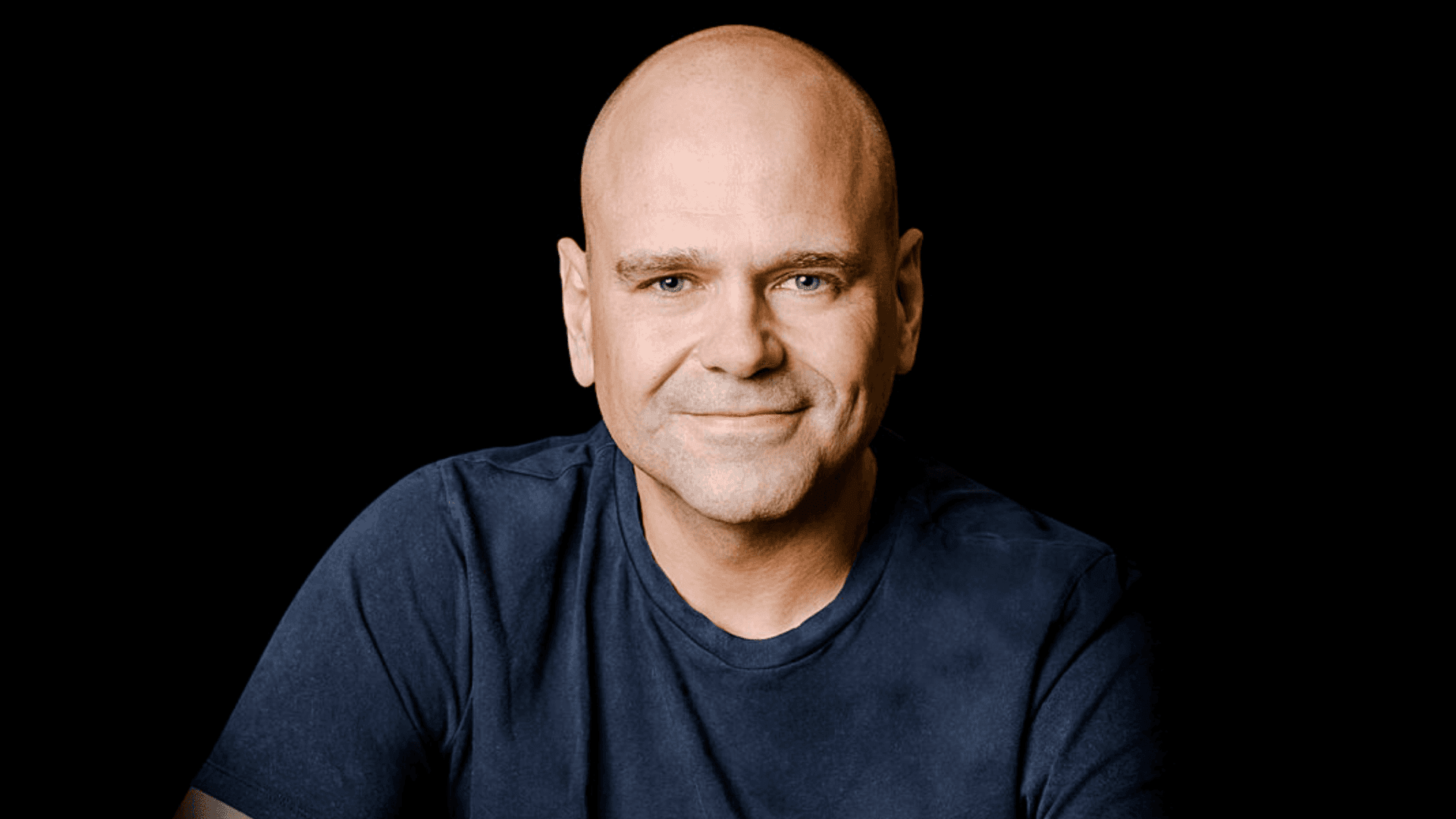
So asks Netta Jenkins, CEO of Aerodei, and author of The Inclusive Organization, who led this week’s Growth Faculty masterclass How to Build an Inclusive Organisation. (See our upcoming program of live virtual and in-person events.)
Netta says attraction and retention rises and falls in the presence or absence of:
-
Being properly recognised – Manager should ask direct reports ‘What does recognition mean to you? It might be a shout out in the Teams chat, or a bonus payment. Each person is different.
-
Receiving equitable compensation. It may not match the market, but it’s fair across the organisation.
-
Being offered benefits addressing employee needs. How do you specifically serve different types of people?
-
Policies and practices that protect employees. For example, if a manager keeps clients but loses staff (perhaps through microaggressions), what are the policies around that?
-
Growth opportunities. Learning and development, and career growth at all levels.
-
Empathetic leaders. These are leaders who use C.P.R (Communication, Process and Results) to “pour life back into individuals who need help.”
What are the benefits of inclusive practises?
Netta says benefits of inclusive practises include:
-
Strong relationships with employees with higher trust, increased adaptability, effective feedback, stronger teams, and honest communication.
-
Employee engagement, higher job satisfaction, reduced burnout and stress, increased motivation.
-
Organisational impacts; higher productivity, and increased collaboration, retention, innovation and profitability.
3 Ps Framework – People Practice Product
Netta has created a framework that integrates inclusivity across people, practice and product. Here we set out the highlights of each integration sector.
People
People integration means creating an environment that promotes growth and development for all employees, a psychologically safe workplace, and resources and communities that support diversity and inclusion.
Attraction and Retention Actions you could take:
1. Managers and direct reports attend two meetups or conferences a year, as a chance to go on an outing plus network to increase their diverse candidate pool.
2. Highlight resources the company provides to illustrate a level of thoughtfulness and awareness to potential new hires.
3. Highlight individualised career paths for each employee to grow (i.e. leadership opportunities)
4. Quick action if an individual is causing distress or resignations in numerous employees.
5. Consistent monitoring of number and types of people leaving, staying or being let go.
6. Bringing in DEI programs tailored to fit employee needs and help underrepresented groups.
7. Encourage Employee Resource Groups led and participated in by employees with shared identities.
Considering these examples, take a moment to answer:
-
What does your organisation offer?
-
Which inclusive practises would you like to see?
-
Which gaps or challenges exist for you and why?
-
What gaps are present for systematically overlooked people in your organisation?
Practice
Practice emphasises inclusive policies, DEI learning and development education, intentionality around supplier diversity and overall inclusive business practices
Policy actions you could take:
1. Invest in reusable materials to diminish carbon footprint.
2. Focus on supplier diversity , as well as who your company partners with and their values.
3. Create policies that mitigate microaggressions , such as anonymous reporting tools.
4. Prevent microaggressions with accountability, a robust interview process , education, and choice of language (e.g. culture “add” instead of culture “fit”).
5. Ask job candidates to share their interview experiences , especially negative ones. Remove poor interviewers from interview process until they are better trained.
6. Retool reimbursement practices. Some can’t afford to pay and then wait to be paid back.
7. Establish DEI requirements during acquisitions, partnerships, external consultants.
8. Training individuals, teams, and managers on fostering psychological safety, building trust and respect, understanding microaggressions, and inclusive leadership. (See our Emerging Leaders Program starting August 30)
9. Consider offering flexible work options , care stipends, and paying childcare costs.
Ask yourself:
-
What practices does my organisation offer?
-
Which inclusive practises would I like to see?
-
What gaps or challenges exist for me/us and why?
-
What gaps are systematically overlooked people in our organisation?
Product
Product emphasises integrating DEI with your organisation’s product, services, or platform.
Actions you can take:
1. Integrate DEI principles into the organisation’s product, services, or platform.
2. Implement tools that engage employees and measure the impact of efforts, such as the Aerodei tool.
3. Leverage DEI to drive greater financial growth and market success. (e.g. During Request for Proposals (RFPs) a too that can measure its inclusive impact can increase interest and funding).
Ask yourself:
-
What are the products, goods, services, solutions, platforms our organisation offers? Who are they for?
-
How are we assessing gaps in our product or service?
-
What are ways we could make our product more inclusive?
-
What action steps do we need to take?
Invest in Your Learning With Membership to Growth Faculty
Want to keep up with the latest ideas and thinking from the brightest minds in the world?
Discover your potential by learning from the best with Growth Faculty annual membership.
-
Unlimited access to dozens of live virtual masterclasses on trending topics around work, career, leadership, and culture; such as psychological safety, burnout, difficult conversations, strategy and execution, micromanaging, accountability and more, with opportunities to chat, ask questions of the speaker, and interact with your peers.
-
Unlimited access to our multi-module leadership programs at both emerging and senior leader level.
-
Discounts on tickets to be in audiences at our Global Headliner in-person events featuring top name speakers.
-
Year-round leadership content on demand with replays of our live events, highlight reels, interviews with top business authors, and more.
Join a community of knowledge seekers who are inspired by the best. See our latest program of live virtual and in-person events.
Upcoming Learning
Who's Up Next?We're continually sourcing the world's greatest minds for your business success, so subscribe today for event updates, business ideas, leadership tips and tools for growth.
Related Articles