7 coaching tools to lead with trust
Summary of Leading Teams with Trust and Transparency with Tim Ryan


Jump to sectionThe Right MindsetHigh Performing Teams FrameworkVector AlignmentDebate and Dialogue Cognitive Fluidity
Leadership
People
Director at Ilume Australia, executive coach Tim Ryan this week shared 7 coaching tools to lead with trust and transparency.
They include a positive mindset, engaging in dialogue instead of debate, and being courageous enough to show vulnerability and curiosity when working with others.
Read on for his 7 tools.
The Right Mindset
Tim says “mindset” is how we get out of bed; how we view the world. It’s being personally responsible for how we show up when interacting with others.
Our mindset is our choice to lead “above the line” or “below the line” when it comes to communicating. Here's what this means....
Above the line
We take ownership, accountability and responsibility for our words and actions. We give and take feedback from a place of care. We choose to acknowledge the feedback and respond to it.
Below the line
We blame, make excuses, stay in denial. We react to feedback and hear it as judgement of who we are. This mindset can be brutal to work with.
The "bus" awareness tool
Visualise above the line behaviours as “blue bus” (we lean in, and try to solve and fix things), and below the line behaviours as “red bus” (we have a negative mindset). A “green bus” is observing problems but staying silent.
High Performing Teams Framework
When we make a decision as a team it can go one of two ways. We can “align and agree” or “disagree and commit.” Ideally, most of your decisions are the former.
Nevertheless, it's naïve to expect all team members will align on all decisions.
Tim shared the example of food and beverage company Danone who claim their team is 80% aligned but 100% committed on decisions.

Tim shared Patrick Lencioni’s 5 Dysfunctions of a Team pyramid as an excellent framework for teams.
He prefers "dialogue" over the word "conflict (over ideas)," so, if we apply this to Pat's 5 dysfunctions pyramid above, we would swap out the dysfunction of “fear of conflict” with the dysfunction of engaging in “debate instead of dialogue.”
This will be explained further below.
Vector Alignment
In a nutshell, this is the “true north” plan-on-a-page that the business is aligned to.
It’s easy to believe everyone is aligned, but be on alert if nobody speaks up in dissent.
High status, low status, equal status
As Tim says, high status team members (often the boss or manager) must be deliberate in their efforts to give people the psychological safety and courage to speak up, speak their truth, and share their ideas.
Otherwise you’ll just get the ideas of the high status person, not the BEST ideas.
Debate and Dialogue
Tim shared a quote from author Stephen Covey from “The Seven Habits of Highly Effective People.”
“Most people do not listen with the intent to understand; they listen with the intent to reply.” – Stephen Covey
As Stephen says in his Habit #5, seek first to understand, and then be understood. Have a look at the differences between engaging in a debate and engaging in a dialogue.
Debate
· Assumes there is a right answer (and I have it)
· Is combative, about winning, and listens to find flaws and make counter arguments
· Defends my views and my assumptions as truth and searches for weaknesses in the other side’s position
· Seeks a conclusion or vote that ratifies my position
Dialogue
· Assumes many people have pieces of the answer and that, together, they can craft a solution
· Is collaborative, about exploring common good, entails listening to understand
· I reveal my assumptions for re-evaluation, I re-examine and search for the value in all positions and I admit others’ thinking can improve my own
· We discover new options
Team question:
Which is most prevalent in your organisation? Debate or dialogue?
Cognitive Fluidity
Cognitive flexibility refers to thinking "outside the box" and connecting the dots between multiple concepts in new and useful ways.(1) As we will learn in Andrea Clarke’s upcoming discussion of her book “Adapt,” cognitive fluidity is a factor in adaptive intelligence.
As an aside, Tim says the “magic number” for a team to solve problems is five.
Team 10 exercise
Arguably, our most important conversations should centre around trust.
Tim recommends writing down the name of your boss/manager and the names of your colleagues.
Team 10 Trust
· Score out of 10 how much you trust each team member
· How much do you think they trust you?
· Use the lowest of the two scores as your rating
Team 10 Effectiveness
For your direct reports:
· How well do they do their job? (rate each team member out of 10)
Scores will reveal what conversations need to be had to begin to trust one another.
Questions for teams and leaders
· How am I on my mindset?
· How aligned are we to our true north as a team?
· Am I having a dialogue or a debate?
· How fluid am I cognitively?
· Where am I for different people in my social-emotional development?
· Team 10 exercise – who do I need to have a dialogue with?
Recommended reading
Tim recommends reading:
Radical Candor by Kim Scott
The Five Dysfunctions of a Team by Patrick Lencioni
The Magic of Dialogue by Daniel Yankelovich
Dare to Lead by Brené Brown (and her TedTalks)
“The Seven Habits of Highly Effective People” by Stephen Covey
Learning with Growth Faculty
Want to keep up with the latest ideas and thinking from the brightest minds in the world?
Download our blockbuster 2025 Program! Growth Faculty’s live virtual learning sessions feature some of the world's most influential thought leaders in business and leadership, many of them focusing on AI, change leadership, and adaptable leadership.
Events are added regularly, so keep up to date by signing up for our newsletter and see what’s on offer for Growth Faculty members.
Growth Faculty also offers a great value Enterprise plan for larger companies to develop leadership skills in teams of 20 or more employees.
Reference:
1.Christopher Bergland, 2021, “How Cognitive Inflexibility Prevents Fluid Thinking,” Psychology Today
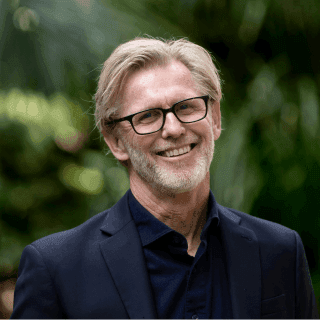
Tim Ryan
Tim Ryan is one of the most experienced and respected coaches in Australia. With a career spanning more than 10 years in the industry, he has become widely recognized as “the vision and strategy guy.”
With his open and honest coaching style, Tim works effectively with all organisations – from small start-ups right through to ASX 100 clients – to help them successfully conquer challenges they thought were insurmountable.
His successful approach encourages business leaders to shift their mindsets, embrace new challenges and transform their relationships at work.
Upcoming Learning
Who's Up Next?We're continually sourcing the world's greatest minds for your business success, so subscribe today for event updates, business ideas, leadership tips and tools for growth.
Related Articles

Social Emotional Development
Humans ideally follow a path to self-awareness that goes like this:
Individual (a child’s viewpoint) > Community member (functioning in society) > Self-authoring (having courage to speak up) > Self-awareness (moving past the ego, engaging in dialogue with curiosity, vulnerability, and courage)